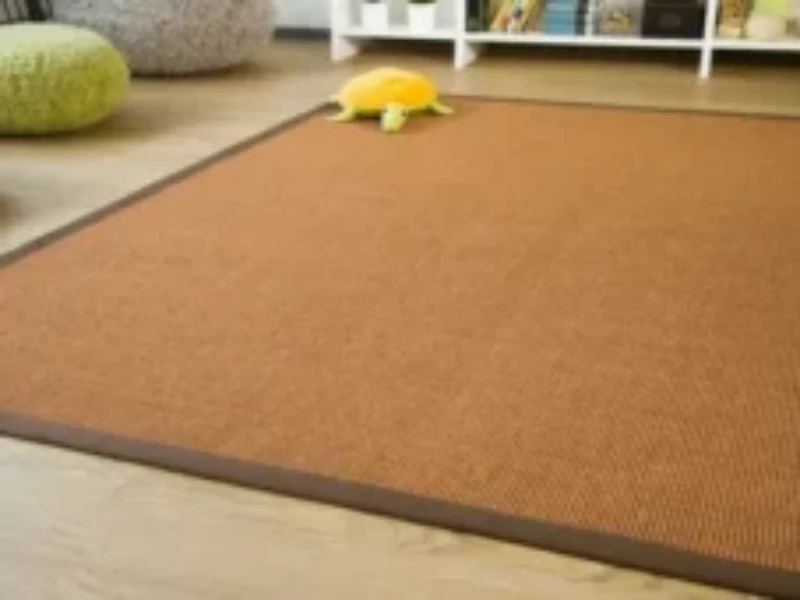
Sisal Carpet | Interesting ideas for Embracing Sisal Carpets for Sustainable Living in Modern Era of 2024
In an era where sustainability and eco-conscious living take center stage, the choices we make for our homes play a crucial role in reducing environmental impact. Sisal carpets, made from the fibers of the agave plant, have emerged as a popular and sustainable flooring option. This exploration delves into the myriad ways in which embracing sisal carpets contributes to sustainable living, from their eco-friendly production to the positive impact they have on indoor air quality and overall well-being.
The Eco-Friendly Journey of Sisal:
Sisal carpets have their roots in the agave plant, a resilient succulent known for its hardiness and rapid growth. The agave plant requires minimal water, pesticides, and fertilizers, making it an environmentally friendly and sustainable source for carpet production. Unlike synthetic carpet materials derived from petrochemicals, sisal fibers are biodegradable, ensuring a minimal ecological footprint.
The cultivation of agave plants for sisal production also promotes responsible land use. Sisal farms can thrive in arid regions where other crops might struggle, thus preventing deforestation and preserving biodiversity. Choosing sisal carpets is a conscious step towards supporting agricultural practices that prioritize sustainability and reduce the demand for resource-intensive alternatives.
Craftsmanship and Sustainability:
The process of transforming agave fibers into sisal carpets involves traditional craftsmanship that aligns with sustainable principles. Artisans carefully extract the fibers, a labor-intensive process that maintains the integrity of the plant. The weaving of sisal carpets often follows traditional methods, further minimizing the use of energy-intensive machinery.
Many sisal carpets also feature natural dyes, adding to their eco-friendly profile. By utilizing plant-based dyes, manufacturers reduce reliance on synthetic chemicals, resulting in carpets that are not only aesthetically pleasing but also gentle on the environment. The combination of natural fibers and dyes makes sisal carpets a sustainable choice that harmonizes with the principles of mindful living.
Indoor Air Quality and Health Benefits:
Sisal carpets contribute to a healthier indoor environment by promoting better air quality. Unlike synthetic carpets that can emit volatile organic compounds (VOCs) and other potentially harmful chemicals, sisal carpets are a natural and breathable flooring option. The absence of synthetic materials means reduced off-gassing, creating a cleaner and purer indoor air environment. Read more: https://emagazine24.com/
Additionally, sisal carpets possess natural anti-static properties, minimizing the attraction of dust and allergens. This makes them an ideal choice for individuals with allergies or respiratory sensitivities. The inherent antimicrobial properties of sisal fibers also contribute to a healthier living space by inhibiting the growth of mold and bacteria.
Durability and Longevity:
Sisal carpets are renowned for their durability, which is a key factor in their sustainability. The inherent strength of sisal fibers allows these carpets to withstand heavy foot traffic and wear, reducing the need for frequent replacements. Longevity is a crucial aspect of sustainable living, as products that endure over time contribute to a reduction in overall resource consumption.
The hardwearing nature of sisal carpets is particularly advantageous in high-traffic areas such as hallways, living rooms, and entryways. The longevity of sisal carpets not only minimizes the environmental impact associated with manufacturing new products but also adds to their cost-effectiveness over the long term.
Versatility in Design:
Sisal carpets offer a versatile and timeless aesthetic that seamlessly integrates with various interior design styles. From classic to contemporary, sisal carpets provide a neutral foundation that complements diverse decor choices. Their versatility allows homeowners to update their interiors without the need to replace the flooring, fostering a sustainable approach to home design.
Furthermore, sisal carpets can be easily incorporated into different areas of the home, including bedrooms, living rooms, and even offices. The natural texture and color variations of sisal create a visually appealing backdrop that enhances the overall ambiance of any space. The adaptability of sisal carpets makes them a sustainable design choice that can evolve with changing trends and personal preferences.
Maintaining Sisal Carpets:
Proper maintenance is essential to ensuring the longevity and sustainability of sisal carpets. Regular vacuuming helps prevent the accumulation of dirt and debris, preserving the carpet’s appearance and minimizing the need for more intensive cleaning methods. In the event of spills, prompt action with a dry, absorbent cloth is recommended to prevent stains and water damage.
For deeper cleaning, sisal carpets respond well to dry cleaning methods, reducing the reliance on water and chemical-based cleaning solutions. The ease of maintenance contributes to the overall sustainability of sisal carpets, as they require fewer resources for cleaning and upkeep compared to other flooring options.
Conclusion:
Embracing sisal carpets for sustainable living is a conscious choice that extends beyond aesthetics. From their eco-friendly origins in agave cultivation to the craftsmanship involved in their production, sisal carpets embody a commitment to environmental responsibility. As a flooring option, sisal contributes to indoor air quality, promotes health and well-being, and stands the test of time with its durability and versatility.
By choosing sisal carpets, homeowners not only invest in a stylish and enduring flooring solution but also make a positive impact on the planet. The sustainable journey of sisal from farm to floor reflects a harmonious balance between modern living and environmental stewardship. In the quest for a greener and healthier home, sisal carpets emerge as a symbol of sustainable elegance, inviting us to tread lightly on the Earth without compromising on comfort and style.