Unveiling the World of Car Wreckers: Salvaging, Recycling, and Environmental Impact
Introduction:
In the dynamic realm of the automotive industry, the term “car wrecker” has become a crucial player in the life cycle of vehicles. Car wreckers, also known as auto wreckers or salvage yards, play a pivotal role in salvaging, recycling, and responsibly disposing of end-of-life vehicles. This article delves into the multifaceted world of Best Melbourne car Wrecker, exploring their functions, and environmental impact, and addressing common questions.
Understanding the Role of Car Wreckers:
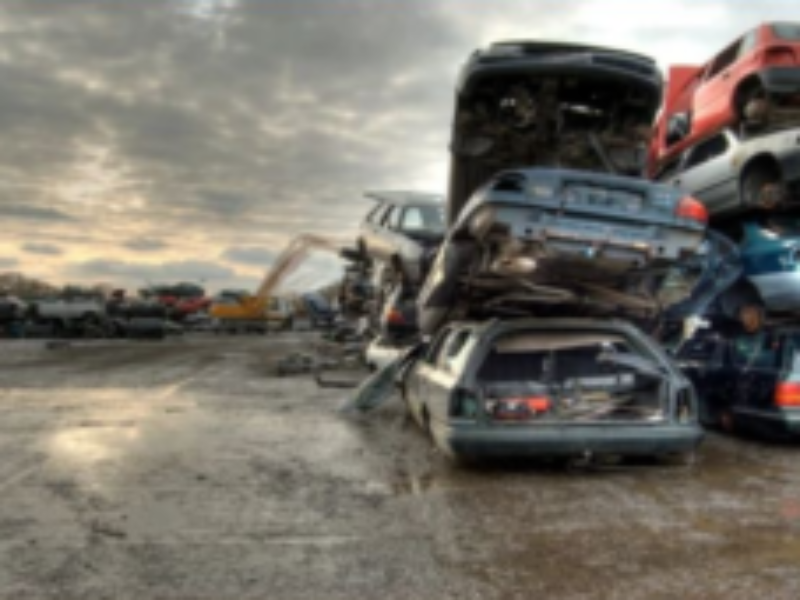
Car wreckers specialize in dismantling and salvaging vehicles that have reached the end of their usable life. Rather than letting these vehicles languish in scrapyards or landfills, car wreckers systematically dismantle them, salvaging usable parts, and recycling materials.
- Salvaging Valuable Parts:
Car wreckers carefully extract functional components from end-of-life vehicles. These salvaged parts, such as engines, transmissions, and electronics, are often in excellent condition and can be sold as affordable alternatives to new parts, contributing to the automotive aftermarket. - Recycling Materials:
Beyond salvaging parts, car wreckers are environmentally conscious entities that prioritize recycling. Materials like metal, plastic, glass, and rubber are systematically separated and sent for recycling. This reduces the environmental footprint associated with manufacturing new materials and conserves valuable resources. - Responsible Disposal:
Car wreckers follow strict guidelines for the disposal of hazardous materials, such as fluids and batteries. Proper disposal ensures that harmful substances do not leach into the environment, safeguarding ecosystems and public health.
Environmental Impact of Car Wreckers:
The environmental impact of car wreckers is substantial and positive, contributing to sustainability and resource conservation.
- Reduction in Landfill Waste:
By salvaging usable parts and recycling materials, Cars for Cash in Melbourne significantly reduces the volume of waste destined for landfills. This helps mitigate the environmental challenges associated with overflowing landfills. - Energy and Resource Conservation:
The recycling process employed by car wreckers requires less energy compared to manufacturing new materials. Salvaging parts also diminishes the demand for new manufacturing, conserving resources and reducing the overall carbon footprint. - Preventing Pollution:
Car wreckers play a crucial role in preventing environmental pollution by responsibly disposing of hazardous materials. This ensures that harmful substances do not contaminate soil, water, or air, contributing to cleaner and healthier ecosystems.
Conclusion:
In conclusion, car wreckers are unsung heroes in the automotive industry, contributing to environmental sustainability by salvaging, recycling, and responsibly disposing of end-of-life vehicles. Their role in reducing landfill waste, conserving energy and resources, and preventing pollution is paramount in the quest for a greener and more sustainable future.
FAQs:
- Are car wreckers only for old or damaged vehicles?
Car wreckers primarily deal with end-of-life vehicles, which may include old, damaged, or non-functional cars. However, they may also accept vehicles in relatively good condition if the owner decides to sell or recycle them. - How do I find a reputable car wrecker?
Research online reviews, ask for recommendations from local automotive experts or friends, and verify if the car wrecker is licensed and adheres to environmental regulations. Reputable wreckers are transparent about their processes and provide fair quotes. - Can I sell my car to a car wrecker if it’s still drivable?
Yes, many car wreckers accept drivable vehicles. If your car is still in good condition but you want to sell it or recycle it responsibly, contacting a car wrecker is a viable option. - What happens to the salvaged parts from my car?
Salvaged parts are thoroughly inspected, cleaned, and made available for sale in the automotive aftermarket. Buyers looking for affordable alternatives to new parts can purchase these salvaged components, contributing to a more sustainable and cost-effective automotive repair market.